 de
de
Apps (iPhone, iPad & iPod):
 great white shark
 sharks
 seabirds
Scientific shark articles
Alaska & Wildlife
Birds
Cities
Egypt - Land of the Nile
Fauna & Flora Fiji
Fiji sharkproject
Mountains
Nature
Penguins & seals
Polar bear
Sea
Seabirds
Sharks
Southern Right Whale
Underwater
Wildlife South Africa

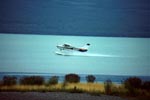
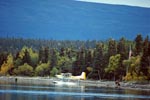
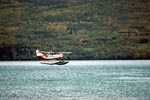
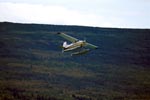
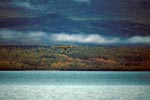
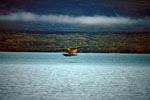
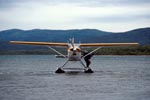
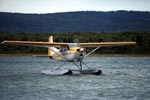
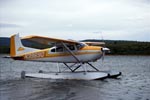
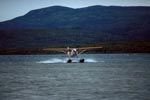
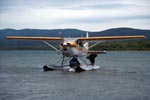
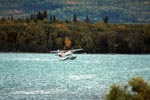
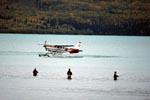
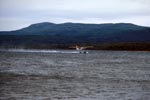
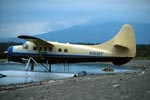
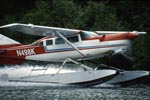
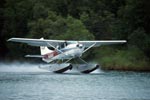
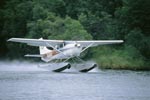
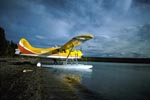
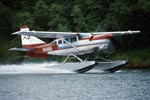
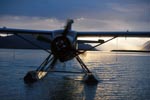
Photos of the float plane with which also remote regions can be reached.
“Great Land“, as the Alaskans call it, has only a few roads. Instead it has almost 10,000 bush planes. With them you can reach the most remote places of the country – in every season.The bush pilots also fly under difficult conditions – but not in every weather condition. For remote towns, these small planes are often the only connection to the outside world. In summer they land on the beach or on another natural airstrip, in winter they land with the skids on the ice. The pilot of the small floatplane, who brings interested persons to almost every desired place in the wilderness, needs only a few minutes to unpack all the luggage, and back he flies. Then, the silence comes and sometimes the first bear is already there, even before you began pitching the tent. The pilot will appear again on the agreed date – provided that the flight weather is good. But often the weather is bad, and as the pilots only fly by sight, the pickup may be postponed. Therefore you should always have food reserves for at least another week if you let yourself drop in the wilderness.
Wilderness experience and the correct behaviour in the bear country are preconditions for such an adventure. Lake Hood in Anchorage is the biggest water airport in the world.
| page 1 of 1 |
|

| page 1 of 1 |